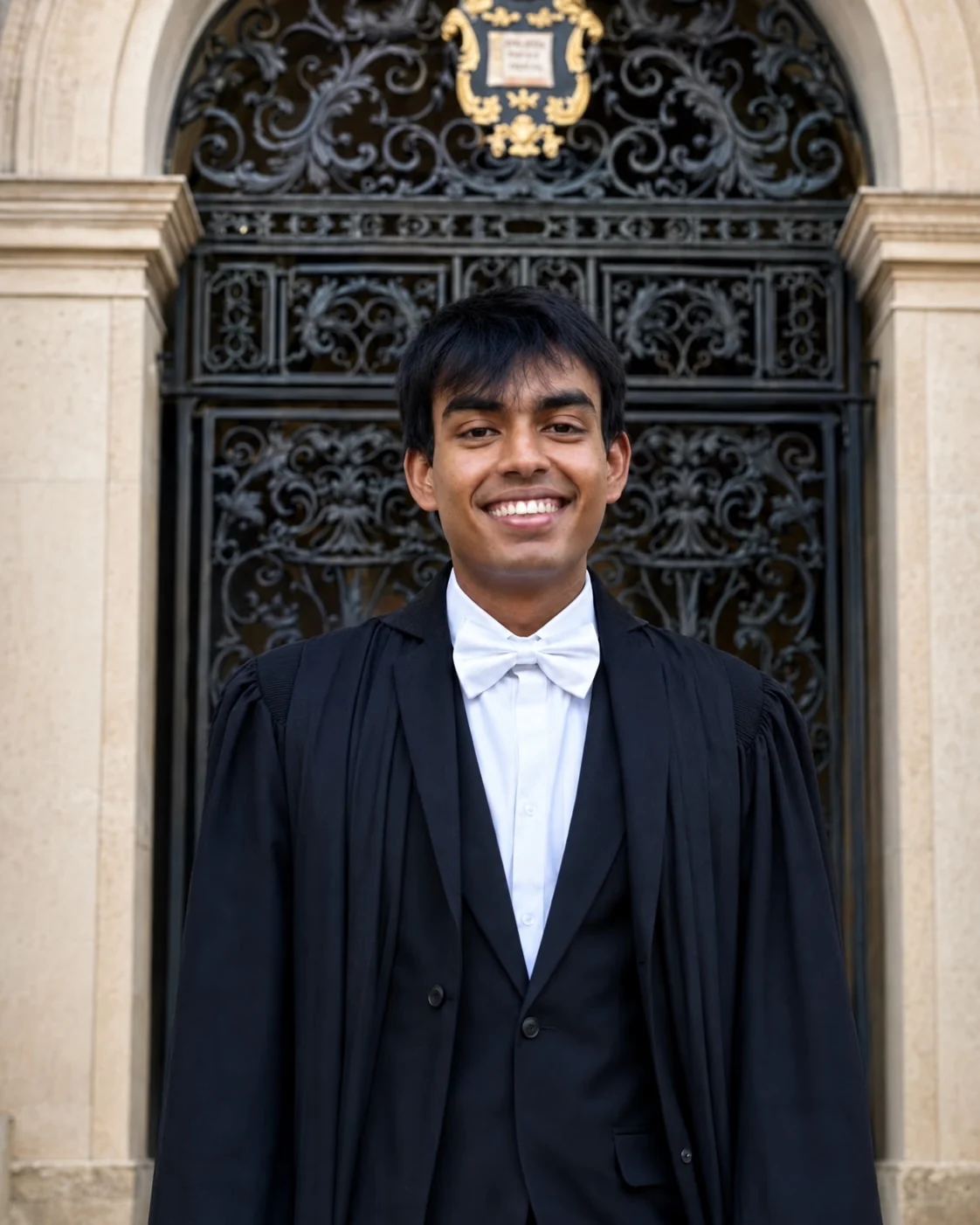
My first application to Oxbridge was unsuccessful.
I was studying Biomedical Sciences at UCL and still trying to decide whether I wanted to work in research or become a doctor. It took time there for me to recognise that my heart was with Medicine. Once I knew, I started preparing with a clearer purpose. I could think carefully about where to put my effort, and give myself time to test whether this was a path I genuinely wanted to follow. I later joined Oxford’s graduate-entry Medicine course.
That experience changed how I think about starting early. I do not expect a student to have their future mapped out years in advance. Time gives them the chance to explore a subject properly, change their mind if they need to, and then prepare for the course they have actually chosen.
In six years of one-to-one teaching, I have met many capable students with schedules full of activities. Families are trying to give them every opportunity. But I have also seen how quickly a thoughtful plan can become a list of things to collect.
“I would rather help a student choose what matters than hand them another list of things to do.”
One student I worked with had spent a great deal of time volunteering and gaining hospital experience, while also preparing applications in several countries. Their commitment was real. So was the pressure. There was little room left to reflect on those experiences or prepare properly for the admissions assessment relevant to their chosen course. More hours on a CV would not have given them that time back.
Emmanuel and I began Asterbridge because we wanted to offer the kind of advice we would have valued ourselves. We came to graduate-entry Medicine through Oxford and Cambridge, and we know how much it helps to have someone ask good questions, explain the trade-offs and be honest about what the work requires.
For us, guidance should have a consistent lead. A founder joins the first conversation and stays involved as the work continues. We can ask others for specialist input when it is useful, but the student and family should know who understands the whole picture: the course they are considering, their other applications, and the time they actually have.
There is no promise of an offer. What I can promise is candid advice and careful attention to the student behind the application. I want them to leave our conversations more certain of what interests them, better prepared to explore it, and confident that the ideas they bring forward are their own.
Arnab Ghosh
CO-FOUNDER, ASTERBRIDGE ACADEMIC ADVISORY